
Is your toddler behind socially? Parents often ask this question when their child has difficulty with areas like speaking, moving, social interaction, or learning new skills. If you are a resident of Brooklyn, NY, and have a child under the age of 3, you may be eligible to receive special services through the Early Intervention Program. This program actually offers different services and activities that are geared towards addressing your child’s developmental needs.
The first step in this process is bringing your concerns to the attention of Early Intervention Staff and requesting an evaluation. You don’t have to wait for an official diagnosis for your child to be eligible for these services. Having knowledge about these services can empower you to identify an appropriate service for your child and assist you in utilizing the Early Intervention Program.
What Is Early Intervention in Brooklyn, NY?

Early Intervention is a funded program in Brooklyn, NY that provides free evaluation services to children under the age of three. They are able to receive the service based on their needs as determined by an evaluation.
Areas of children’s development addressed through this service include:
- Communication: Developing speech and language while exploring other ways to communicate needs.
- Physical development: Building movement, balance, and coordination through age-appropriate activities.
- Social skills: Connecting with family members and others through everyday interactions.
- Learning skills: Strengthening attention, curiosity, exploration, and problem-solving abilities.
- Daily activities: Developing practical skills for everyday routines, including eating, playing, and dressing.
Services can occur in various appropriate locations and are provided by the local Early Intervention Program.
Who is Eligible for Early Intervention Services in Brooklyn?
Any child under age three living in Brooklyn who is found developmentally eligible can receive Early Intervention Services. To avail this service, developmental eligibility is determined after the identification of a child’s specific problems or conditions that may be attributed to a developmental delay.
Age and Residency Requirements
Children must reside in NY State and meet the eligibility criteria for the Early Intervention program.
Developmental Delays and Conditions that may Qualify
Children with developmental delays in one or more of the areas, or children with conditions with a high incidence of developmental delays, may also be found eligible.
Areas evaluated may include the following:
1) Communication
- Using words to express needs
- Comprehension of language
2) Physical Development
- Challenges with movement/balance/coordination
- Difficulty in developing gross/fine motor skills
3) Cognitive Development
- Solving problems
- Understanding how to do familiar activities
4) Social Emotional Development
- Problems interacting with peers
- Irrational/beyond control emotions
5) Adaptive Development
- Problems with feeding
- Challenges performing Activities of Daily Living (ADLs)
Down syndrome, hearing and vision impairment, cerebral palsy, and autism can be examples of disabilities for which a child is eligible to receive early intervention services, based on the individual case.
A child with a documented developmental delay as provided by the professionals is eligible for services even without a diagnosis.
How to Apply for Early Intervention in Brooklyn: Step-by-Step Guide
This guide explains the steps involved in the early intervention process.
Step 1: Identify your child’s developmental concerns.
Think about all areas of your child’s development, including the ways your child communicates, moves, plays, interacts socially, and follows daily routines. You can also think about your child’s communication (gestures or words) and movement (how your child gets around, whether by walking, running, crawling, etc.). Also, consider how your child meets their basic needs (crying to communicate hunger, etc.).
Write these things down and ask us any questions that you may have. Your child’s doctor or teacher may be able to provide us with this information.
This step helps identify any concerns you may have so a professional can better understand the need for an evaluation.
Step 2: Make an Early Intervention Referral
If you or someone authorized to make a referral on behalf of your child completes this step, you will have access to the Early Intervention System of NYC by calling 311 or visiting the official NYC Early Intervention Referral Portal. Try to provide as much detail as possible when describing your concerns for your child.
Step 3: Meet Your Service Coordinator
The program will assign an initial service coordinator to help your family with the process. This person will help explain the evaluation process, review your rights as a parent, set up appointments, and help you with other service-related questions. This person will help coordinate meetings and service appointments with your family, the evaluators, and the program.
Step 4: Schedule a Free Developmental Evaluation
With your consent, a qualified professional will complete a multidisciplinary evaluation to assess your child’s development. It may include two or more professionals, based on your child’s needs.
They may check how your child talks and communicates, moves, learns, handles emotions, interacts with others, and manages everyday activities. You will have an opportunity to share information about your child’s strengths, your family’s needs and routines, and your challenges. This isn’t a medical exam or a test that your child needs to pass.
Step 5: Create an Individualized Family Service Plan (IFSP)
The team will develop an Individualized Family Service Plan (IFSP) if your child is eligible, which will indicate your child’s developmental needs, agreed goals, and the services provided to help your family achieve those goals.
Goals and objectives should be based on your family’s priorities and challenges to improve your child’s functioning in various aspects of their daily life.
The parents are invited to services planning meetings and can ask questions about the meeting. In New York State, the first meeting to create the IFSP must occur within 45 calendar days of the child being referred, unless an exception is granted.
Step 6: Begin Approved Early Intervention Services
Once the IFSP is completed and the necessary arrangements are finalized, the child is eligible to receive approved early intervention services.
The type of service, location, frequency, and schedule of service delivery are determined by the child’s IFSP. The service coordinator is able to help arrange service providers. The service coordinator can also help explain what will occur during the sessions.
It is important for parents to ask the service provider how they will measure progress toward their child’s goals. Parents can be active partners in their child’s plan by supporting goal attainment between meetings. Parents should communicate with the service coordinator and other members of the service team if they have any concerns.
What Services Are Available in Brooklyn?
The services available to your child depend on the results of your child’s evaluation and the goals set in the IFSP. The different services available include, but are not limited to, the following:
- Speech-language pathology services: To improve communication and understanding as well as to address certain feeding and swallowing issues.
- Occupational therapy: To develop skills for play and hand use as well as activities of daily living and to address sensory integration issues.
- Physical therapy: To develop movement, balance, and coordination.
- Special instruction: To learn skills for play and activities of daily living through the use of developmental play activities.
- Family counseling and training: To learn strategies to teach your child at home.
- Approved other services: Psychological, hearing-related, vision, and other specialized services.
Not all children qualify for and need all of the above services. The evaluation and IFSP will determine which services are appropriate.
Is Early Intervention Free in Brooklyn, NY?
Yes, eligible children in New York’s Early Intervention Program receive services at no cost to families. Evaluations, service coordination, and developmental support are also free. The program can use applicable health insurance to cover costs of services. Families should provide the insurance information to their service coordinator. The services children receive are determined by their eligibility and the Individualized Family Service Plan (IFSP). This means that eligible children can receive approved services at no out-of-pocket cost to their families.
Where Can Brooklyn Parents Find Early Intervention Help?
Parents in Brooklyn can contact New York City’s Early Intervention Program directly through the official referral process or call 311. They provide general information regarding eligibility, referral and early intervention services. Parents can discuss concerns related to their child’s development with their child’s pediatrician or request a developmental evaluation. Parents can provide any concerns about their child they feel are important, including comments made by child care or early education providers.
In addition, the Centers for Disease Control and Prevention (CDC) provides information on developmental evaluations and early intervention. Brooklyn families can contact their local Early Intervention office at 718-694-6000 for additional services or for questions regarding an open case.
How Does Early Intervention Differ from ABA Therapy?
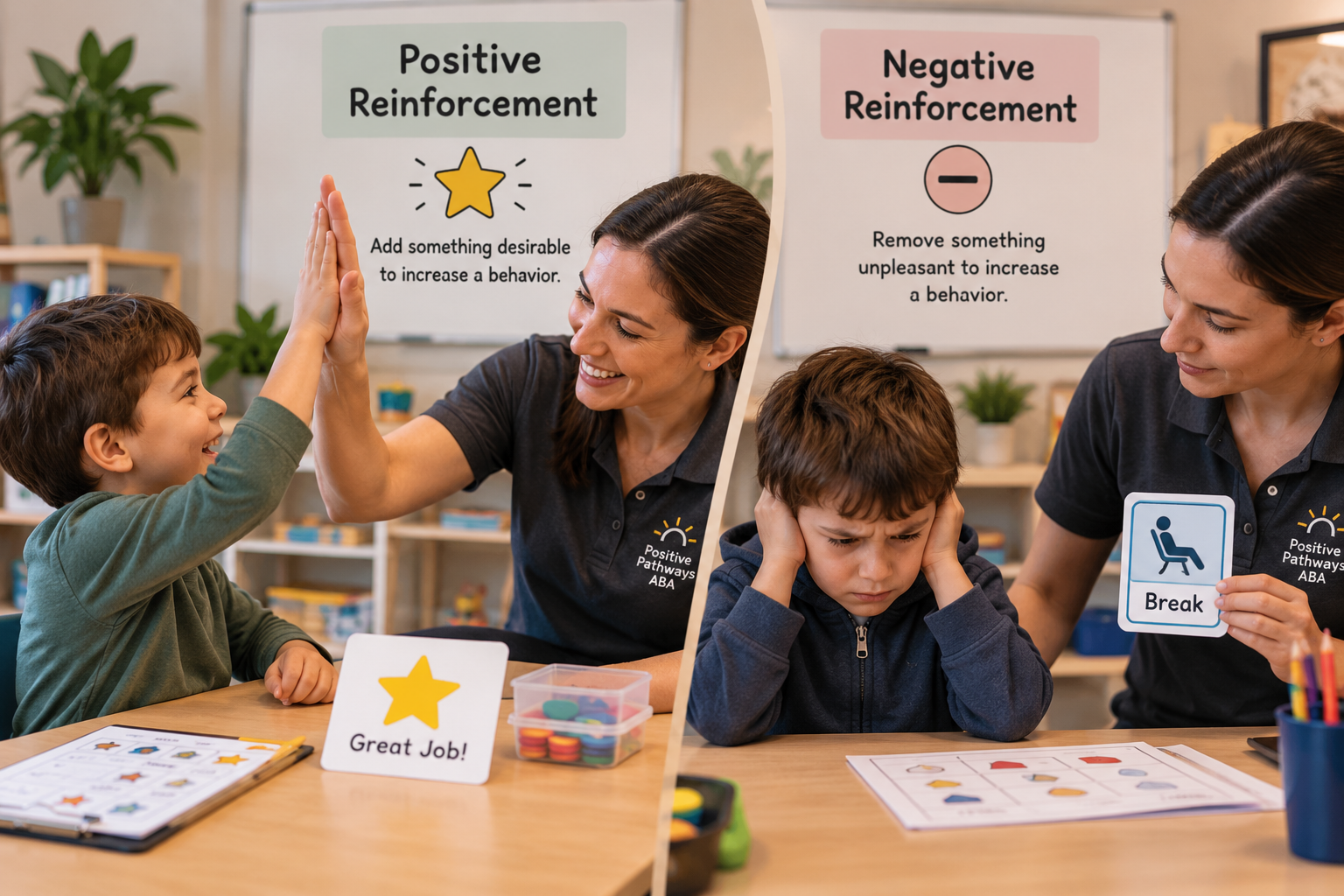
Early intervention and ABA therapy are distinct in purpose and eligibility. Early intervention is for children under the age of three who are developmentally eligible. The focus of ABA therapy is on the development of more individualized, meaningful skills and incorporates various forms of positive reinforcement. It is possible that a child could be eligible for both services. This would depend on a child’s individual needs.
To understand the child’s needs and what services are available, a family should always consult a professional. When a family is determining which service to utilize, they should take into account their child’s developmental goals, as well as their child’s communication and comfort level with each service.
What Happens When Your Child Turns Three?

Early intervention offers services to children from birth to three. Families need to prepare for the transition before your child’s third birthday. The service coordinator can provide parents with information on how to access community support and services. Children who meet the eligibility criteria may receive preschool special education services through New York City Public Schools, with the Committee on Preschool Special Education (CPSE) coordinating the evaluation and eligibility process.
You should consider the following:
- Begin transition planning: At least six months before your child’s third birthday, your Early Intervention service coordinator should begin helping your family plan for the transition to preschool services.
- Request an evaluation: Contact the local Committee on Preschool Special Education (CPSE) if you wish to have your child evaluated.
- Plan the transition: Confirm eligibility, timelines, and available services before your child’s third birthday.
Planning can help families close service gaps and maintain appropriate, ongoing developmental services for their child.
Getting the Right Support for Your Child in Brooklyn
Parents should be able to talk to their child’s pediatrician about developmental screenings and share any concerns they may have about their child’s development based on what they’ve observed at home and in the childcare setting. Note-taking about the child’s communication, play, and routines may prove to be useful in the evaluation process.
Families are encouraged to participate in the evaluation process as they are in the best position to observe the child in varied environments. It allows parents to share what they think is important for the service provider to know in order to be most effective with their child. Thus, it helps parents feel more confident in understanding and accessing appropriate developmental services, including early intervention programs and ABA therapy services in Brooklyn.
Frequently Asked Questions About Early Intervention in Brooklyn
Can I Refer My Child Without a Doctor’s Diagnosis?
Yes. Parents can request an early intervention referral without a confirmed diagnosis. A developmental evaluation is conducted to determine if the child is eligible for the program.
How Long Does the Early Intervention Process Take?
In New York, the initial Individualized Family Service Plan (IFSP) meeting must generally occur within 45 calendar days of the child’s referral. Exceptions apply in specific circumstances, such as documented exceptional family circumstances or delays in obtaining parental consent despite repeated attempts.
Can My Child Receive Services at Home or Daycare in Brooklyn?
Yes. If home and child care are appropriate and noted in the IFSP, services can be delivered in those environments.
What If My Child Doesn’t Qualify?
Ask the evaluation team to explain the results and talk to your pediatrician about your child’s development and what to do next. You can also ask about local support services, ways to track your child’s progress, and early education programs your child may qualify for.