
The challenge of providing the right help for your child arises from the abundance of available services. Parents experience distress as they try to cope with numerous questions, uncertainties, and hopes for the future.
From the very start, when you search for ABA therapy in Brooklyn, you will see that there will be several options available, and it will be extremely hard for you to make sense of all the statements about how good this or that therapy is.
Without a doubt, the parent exclusively considers what is best for the child. It is the duty of parents to safeguard, care for, and nurture their children. Encouragement is the person who shows him concern, helps him develop his skills, gives him advice, and interacts with him.
Applied Behavior Analysis is one of the most widely used treatment approaches among children with ASD.
Why the Right ABA Center Matters
The choice of a proper ABA facility can go a long way in making a significant improvement in the development of your child. Not all organizations provide the same quality of treatment and experience. Some centers create thoughtful programs built around each child. Others may use rigid systems that fail to meet individual needs.
It is necessary to teach children using various techniques to help them advance academically. Some children may need help with their language skills, while others may need help with their emotional and social development and with coping with their routines.
The right center also supports parents. The families need direction, information, and support throughout the process. It is essential that the therapy does not stress and motivate, but rather confuse.
The parents in Brooklyn raise their children, organize their education and work, and do other things related to their hectic lives. When a facility knows all about families, it is easy to continue therapy.
What Is ABA Therapy?
Applied Behavior Analysis is known as ABA therapy. It is a therapeutic approach that helps kids learn new abilities, which can be challenging for them.
Areas of interest of ABA therapy may include:
- Communication
- Social interaction
- Attention and focus
- Daily living skills
- Following routines
- Emotional regulation
Therapists break skills into smaller steps so children can learn gradually and successfully. This creates progress that feels achievable rather than frustrating.
Modern ABA should feel supportive and engaging. Many sessions include play, movement, conversation, and positive reinforcement. Good therapy should never feel harsh or robotic.
The goal of ABA is not to change a child’s personality. The goal is to help children become more independent, confident, and comfortable in everyday situations. That can improve life at home, in school, and in the community.
1. Check Credentials First
When comparing ABA therapy providers in Brooklyn, always ask about qualifications. Credentials protect your child and help ensure quality care. The first step is to receive an intervention from a Board Certified Behavior Analyst (BCBA).
A BCBA is knowledgeable about behavior analysis and interventions and also guarantees that ethical interventions are provided. The BCBA will assess your child, set goals, monitor progress, and supervise the therapists.
Other therapists may help you with therapy sessions, including Registered Behavior Technicians (RBTs).
Some of the queries to pose are:
- Is there a BCBA overseeing my child’s treatment plan?
- How often does the BCBA see my child?
- What is the level of training of the therapists working with my child?
- Are they experienced?
Such a professional center will respond to these without hesitation. Skilled professionals usually provide more effective treatment sessions, better results, and improved family communication.
2. Seek out Individualized Treatment Programs
Each child is different and has their own strengths, weaknesses, interests, and aspirations. This means that any type of therapy should not follow the same pattern for everyone. The right autism center will always start with an extensive assessment. That’s why understanding your child’s communication, play, reactions to routine and transition, and social skills is important.
For example, one child may need help asking for what they need. Another may need support joining peer activities or tolerating changes in routine. Personalized treatment makes therapy meaningful.
Ask providers:
- How do you choose goals?
- How often do you update treatment plans?
- Do parents help shape priorities?
- What if development is slow?
When therapy aligns with your child’s actual experiences, they tend to be more invested and driven. Individualized services might yield better, more lasting outcomes.
3. Visit the Center in Person
A website can look impressive, but an in-person visit reveals the real environment. Touring the center can help you decide if it feels right for your child.
During your visit, notice:
- Cleanliness
- Safety measures
- Organized spaces
- Calm energy
- Friendly staff
- Child engagement
Watch how staff speak to children. Do they use warm, patient voices and guidance? Do they celebrate effort and small wins?
Pay attention to how children respond. If children look comfortable, interested, and connected, that usually says a lot about the quality of care.
Good centers appear well-organized but not stiff. They help provide a place where kids can study, discover, and be safe.
4. Inquire About Parental Participation
Parental involvement is incredibly important to how well a kid will do. Great ABA centers understand that ABA needs parental involvement to work well.
Choose a center that offers:
- Parent training
- Weekly or monthly updates
- Home strategies
- Goal planning meetings
- Easy communication channels
When parents understand the strategies used in therapy, they can continue to make progress at home. That creates consistency, and consistency often speeds up learning.
You should never feel excluded from your child’s treatment plan. A great provider values your voice and respects your insight.
Parents know what motivates their child, what causes stress, and what success looks like at home. That information helps shape better therapy.
5. Review Progress Tracking

Progress should feel clear, measurable, and honest. ABA uses data to track how a child responds to goals and teaching methods.
A provider may measure:
- Communication growth
- Social interaction
- Daily living skills
- Reduced challenging behaviors
- Independence with routines
You should receive updates in simple language. Reports should explain what your child achieved, where challenges remain, and what changes come next.
Good centers stay transparent. They celebrate progress but also stay honest when something needs adjustment.
Tracking progress helps families see that therapy has direction. It also prevents wasted time on methods that do not work.
6. Ask About Staff Training and Turnover
Children build trust through relationships. If therapists change often, children may struggle with consistency and comfort.
Ask the provider:
- How long do therapists usually stay?
- How often do staff receive training?
- How does supervision work?
- How do you maintain quality care?
Strong centers invest in their teams. Training allows therapists to enhance their skills, resolve problems, and maintain motivation.
High turnover is disruptive and slows the learning process. Sometimes, high turnover might be an indicator of problems inside the organization.
Children usually excel when working with people they know and whose methods are familiar.
7. Take the Location and Schedule into Consideration
Great therapies can quickly become a challenge if travel and scheduling become an inconvenience. Families in Brooklyn always have to deal with numerous activities, such as work, transportation, and attending school.
Selecting an appropriate facility will increase participation.
Consider:
- Distance from home or school
- Parking or subway access
- Session times
- Weekend availability
- Makeup sessions
- Flexible scheduling
Regular attendance matters because skills are built over time. Missed sessions can slow momentum. Many parents choose nearby ABA therapy in Brooklyn, so therapy becomes part of life instead of another burden.
8. Make Sure They Use Positive Methods
Good ABA should build confidence, trust, and motivation. Children learn best when they feel safe and supported.
Modern providers often use:
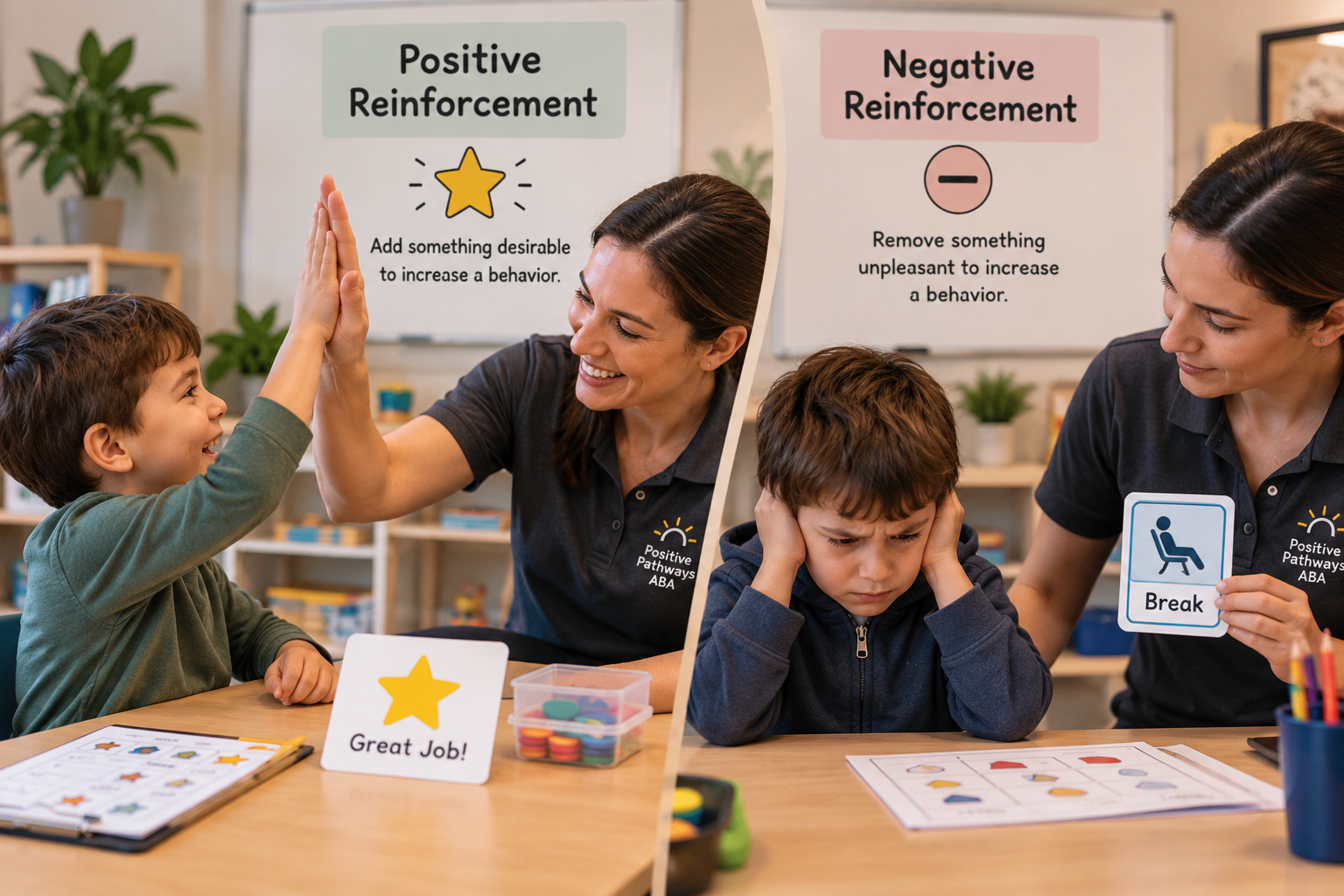
- Positive reinforcement
- Play-based learning
- Clear routines
- Skill modeling
- Calm redirection
Inquire about how the clinic deals with problem behavior. Positive interventions focus on training in communication skills, coping mechanisms, and other behaviors.
Beware of individuals who seem domineering and controlling. Therapy must create a sense of victory rather than defeat.
Respect between caregivers and kids fosters stronger relationships, leading to improved learning experiences.
9. Insurance and Price Information
ABA treatment may be expensive, particularly for parents who juggle multiple tasks. A helpful provider makes this process easier.
Ask questions ssuch as:
- Which insurance plans do you accept?
- Do you verify benefits?
- Are there copays or deductibles?
- Are there hidden fees?
- How soon can services begin?
Good providers guide families through approvals and paperwork. They explain costs clearly and help reduce confusion.
Financial clarity matters because parents need to plan with confidence. Honest conversations early can prevent future stress.
10. Look for Real-Life Skill Building
Therapy should improve everyday life, not only behavior inside a clinic.
Strong ABA centers teach practical skills children can use in real settings such as home, school, parks, stores, and family gatherings.
These skills may include:
- Asking for help
- Taking turns
- Brushing teeth
- Following routines
- Transitioning calmly
- Playing with peers
When therapy connects with daily life, parents often notice meaningful changes more quickly. Morning routines may become smoother. Community outings may feel easier. Communication may improve at home.
That kind of progress changes family life in real ways.
Red Flags to Watch For
Some warning signs should encourage you to keep searching.
Watch for:
- No BCBA leadership
- Generic treatment plans
- Poor communication
- No parent involvement
- Harsh discipline methods
- Hidden fees
- Constant staff changes
- No progress reports
- Long waitlists with little follow-up
If something feels off, trust your instincts. Parents often notice problems before they can fully explain them.
You do not need to settle for a provider that makes you uncomfortable.
Why Parents in Brooklyn Trust Positive Pathways ABA
Families want more than therapy hours. They want a caring team that truly understands their journey.
Positive Pathways ABA provides personalized support for children and families across Brooklyn. The team focuses on each child’s strengths, challenges, and long-term goals rather than using a generic approach.
Parents appreciate the strong focus on collaboration. The team keeps communication open, shares progress regularly, and involves families throughout the process. That helps parents feel supported and informed every step of the way.
Positive Pathways ABA also understands the demands of city life. Flexible service options and insurance support can reduce stress for busy families.
Most importantly, the mission centers on meaningful progress. The goal is to help children build confidence, independence, communication, and lifelong skills.
Conclusion
Choosing the best ABA therapy provider in Brooklyn is crucial for you and your kid. Your choice can make miracles happen. It is essential to investigate, visit providers, and understand how they treat kids and parents. Seek licensed practitioners who provide individualized therapy, communicate with ease, use positive teaching strategies, and work flexibly.
Listen to scientific evidence and trust your intuition. Often, the best centers can be easily recognized by their attitude towards clients and professionalism. Every child requires care tailored to their strengths and needs. Your kid deserves to achieve success in daily routines.