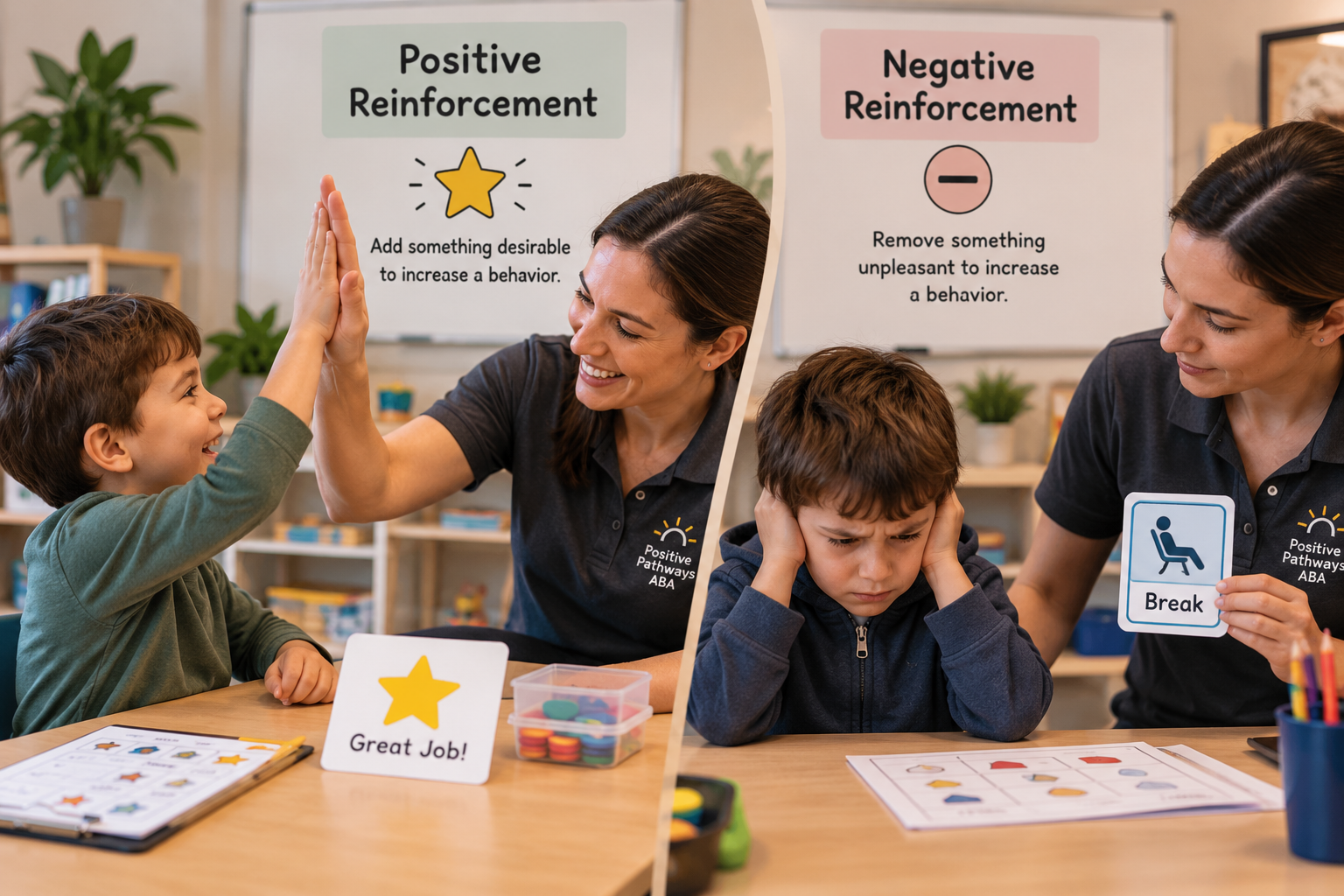

Parents may wonder when to start ABA therapy after noticing changes in their child’s communication or social skills, learning, or behavior. There is no single age that fits every child. We see that each child grows or learns at their own pace and has diverse desires or abilities.
Applied Behavior Analysis therapy helps children learn basic or useful skills through play, practice, and positive rewards. It may help with communication or day-to-day activities, social skills, or learning.
Signs Your Child May Need Early Support
Communication Differences
Some children may find it too hard to use words, and instead use gestures, signs, pictures, or other ways to tell others what they need or want. They may have trouble just asking for help or asking for something they like, answering questions, or telling others when something is mistaken.
ABA therapy may help out children only to build up communication skills that work best for them. This may include speaking or using gestures, symbols, pictures, or an augmentative and alternative communication (AAC) system, depending on the child’s needs.
Limited Social Interaction
Some children may show that they have no interest in playing or spending time with other people. The main reason is that they may prefer playing alone or struggle to take turns and have trouble understanding social cues. Every child is actually considered different. ABA therapy may help children learn skills such as asking others to play or taking turns, following simple social routines, and joining shared actions.
Behaviors That Affect Daily Life
Children may use frustrated behaviors only to show that they feel uncomfortable, upset, and want something. For example, a child may cry or sit on the floor, leave an activity, or get upset when they can’t clearly communicate what they need.
Instead of just trying to stop the behavior, the ABA experts look at what happens before and after it. This helps them to know why the child was acting this way and teach them better ways to communicate.
Difficulty With Changes
Some children may find it difficult to deal with changes in their day-to-day routine. Moving from one activity to another or going to a new place, meeting new people, or moving their schedule may make them feel disappointed or stressed. Managing the changes that work for them can help these children better understand certain things. Picture schedules or warnings, simple choices, or consistent routines may actually be helpful.
Why Early ABA Support Can Be Helpful for Toddlers
Early ABA support can actually help toddlers learn new skills in ways that fit their age or interests. Young children learn through play or day-to-day activities, and through time with their parents or caregivers. ABA therapy may support them in learning to ask for things or follow simple steps, share toys, and tell others what they want. Playing with toys or singing songs, reading books, or doing daily activities can make learning exciting.
What Age Can a Child Start ABA Therapy?
ABA therapy may help children with:
- Early Skills: Toddlers can learn basic skills through play and day-to-day activities.
- Communication: Children can learn to share their desires by using words, symbols, gestures, or pictures.
- Social Skills: Children cannot only practice taking turns but also play with others or join group activities.
- Daily Skills: Children may learn many skills such as eating or getting dressed and following day-to-day routines.
- Personal Goals: The goals are actually selected based on every child’s desires or skills and family priorities.
Making Learning Part of Everyday Play
Young children can learn while playing and doing everyday activities. The therapy doesn’t always have to mean sitting at a table or doing the same tasks many times. A therapist can use activities the child likes to help them learn new skills. For example, a favorite toy can help a child practice requesting help or selecting something. Simple games can help children learn to take turns, wait, or share. Mealtime can be a chance to practice asking for food or drinks. The day-to-day activities, like getting dressed or washing hands and getting ready to leave, can actually help children learn some simple steps.
What Parents Can Expect from an ABA Program
The parents can expect that:
- Personal goals: The goals may support talking or playing, social skills or self-care, learning or greater independence.
- Progress checks: The care team can check that the child is progressing or use this info to plan the next steps.
- Parent support: The parents may learn simple techniques only to help their child practice the skills at home.
- Regular updates: The parents can ask these questions about the child’s aims or activities, progress, or any changes to the plan.
- Changes when needed: The therapy team can change objectives or teaching approaches if something isn’t working well.
Conclusion
In short, we can say that there isn’t a proper age to start an ABA therapy. Some children may start ABA as toddlers, while others may start when they are older. The right time actually depends on the child’s needs or the family’s goals. Early support can help children practice communication or social skills, play, day-to-day routines, and other useful skills. Positive Pathways ABA plans these things around each child’s needs. Our goals match the child’s desires or strengths, interests, or way of communicating.
Frequently Asked Questions
1. What Is the Best Age to Start ABA Therapy?
There is no single best age to start ABA therapy. Some children may start as toddlers; others begin later. The right time depends on the child’s developmental needs, the family’s priorities, and recommendations from qualified professionals.
2. Can a 2-Year-Old Start ABA Therapy?
Yes, some children can begin ABA therapy at age 2 if a professional assessment suggests it would be helpful. Early intervention may support communication, learning, and everyday skills. However, not every child needs ABA therapy at this age, and other services may also be appropriate.
3. Should Parents Wait for an Autism Diagnosis Before Seeking ABA Therapy?
Parents don’t need to wait for an autism diagnosis to seek developmental support. They can speak with a pediatrician when concerns arise. However, some ABA providers and insurance plans may require a formal diagnosis before starting services.
4. Is Age 5 Too Late to Start ABA Therapy?
No, age 5 is not too late to start ABA therapy. Older children may also benefit from support with communication, daily routines, independence, or other skills. A professional can help determine whether ABA is suitable for the child or not.
5. How Do Parents Know When Their Child May Need ABA Therapy?
Parents may consider seeking an assessment if their child is facing difficulties with communication, learning, behavior, or everyday activities. These signs don’t automatically mean ABA therapy is needed. A professional evaluation can help families understand which support options may be appropriate.